Sports in Japanese: Essential Vocabulary for Fans and Learners
17 March 2025
🎯 Want to actually speak Japanese, not just read about it? Practise with a friendly tutor for about the price of a coffee — try a lesson on italki → Affiliate link — supports Wakoku at no extra cost to you.
Ever watched a Japanese baseball broadcast and wondered why the commentators kept saying “yakyū” instead of “baseball”? Or perhaps you’re planning a trip to Japan and want to connect with locals over a shared love of sports? Understanding sports in Japanese opens doors to cultural connections, enhances your vocabulary, and helps you engage with Japan’s rich athletic traditions.
In this comprehensive guide, we’ll explore the fascinating world of sports in Japanese, from traditional martial arts to modern favorites, complete with authentic pronunciation, cultural context, and practical phrases you can use immediately.
The Cultural Significance of Sports in Japanese Society
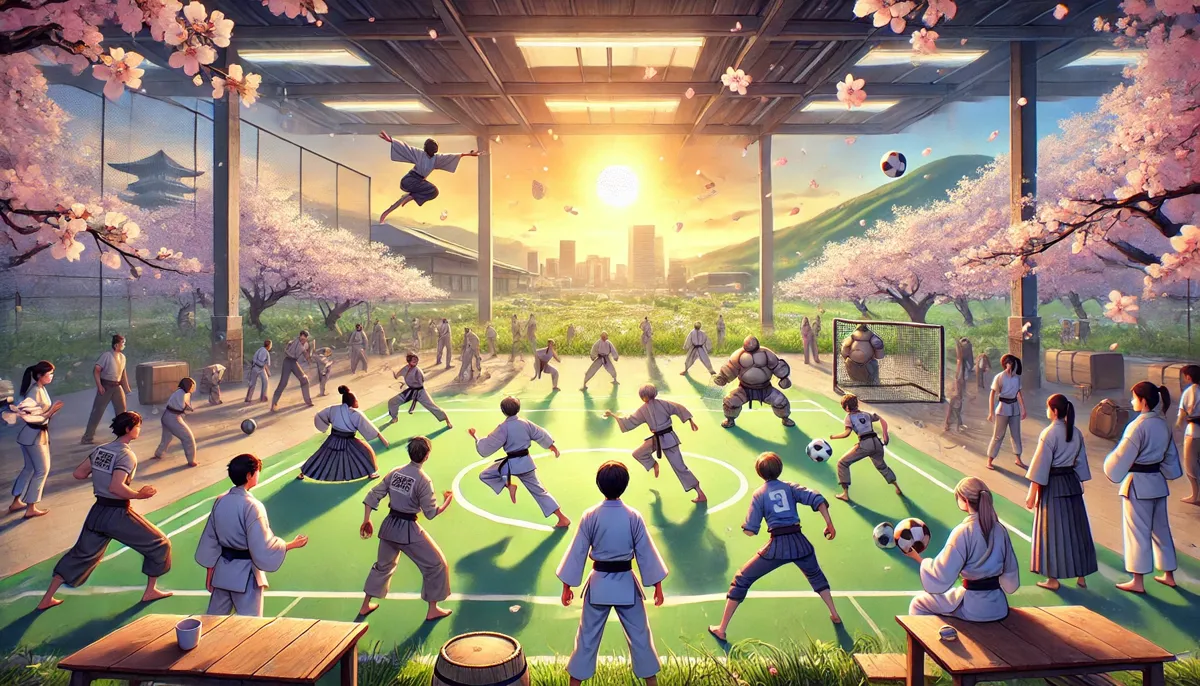
Japan’s relationship with sports blends deep tradition with enthusiastic adoption of international games. This duality creates a unique sporting landscape where ancient martial arts like sumo exist alongside passionate baseball fandom.
Traditional vs. Imported Sports in Japanese
Sports in Japanese fall into two main categories:
- Traditional Japanese Sports (伝統的なスポーツ): These include martial arts and activities with centuries of history in Japan.
- Imported Sports (輸入されたスポーツ): Games adopted from other countries, often with distinctly Japanese adaptations.
While traditional sports like sumo (相撲) and kendo (剣道) hold cultural significance, imported sports like baseball (野球 - yakyū) and soccer (サッカー - sakkā) draw the largest audiences. In fact, baseball has been so thoroughly embraced that many Japanese people are surprised to learn it wasn’t invented in Japan!
As noted in our article on how to say “how are you” in Japanese, understanding these cultural elements enriches your language journey beyond mere vocabulary.
Essential Sports in Japanese Vocabulary
Let’s dive into the core sports vocabulary you’ll need to discuss athletics in Japanese. We’ll start with the general terms:
General Sports Terminology
Japanese
Romaji
English
スポーツ
supōtsu
Sports
運動
undō
Exercise/Sports
体育
taiiku
Physical Education
試合
shiai
Game/Match
選手
senshu
Player
チーム
chīmu
Team
勝ち
kachi
Win
負け
make
Loss
引き分け
hikiwake
Draw/Tie
When discussing your favorite activities, you might say: 「私の好きなスポーツはテニスです」 (Watashi no suki na supōtsu wa tenisu desu) “My favorite sport is tennis”
Traditional Japanese Sports
Japan’s traditional sports showcase its cultural heritage and often embody philosophical principles beyond mere competition:
Japanese
Romaji
English
相撲
sumō
Sumo Wrestling
柔道
jūdō
Judo
空手
karate
Karate
剣道
kendō
Kendo (Japanese Fencing)
合気道
aikidō
Aikido
弓道
kyūdō
Japanese Archery
将棋
shōgi
Shogi (Japanese Chess)
碁
go
Go (Board Game)
When discussing martial arts training, you might hear: 「私は10年間柔道を習っています」 (Watashi wa jū-nenkan jūdō o naratte imasu) “I have been learning judo for 10 years”
Popular Team Sports in Japanese
Team sports enjoy massive popularity in Japan, with professional leagues and dedicated fan bases:
Japanese
Romaji
English
野球
yakyū
Baseball
サッカー
sakkā
Soccer
バスケットボール
basukettobōru
Basketball
バレーボール
barēbōru
Volleyball
ラグビー
ragubī
Rugby
アメフト
amefuto
American Football
A baseball fan might excitedly say: 「今日の野球の試合、見に行きませんか?」 (Kyō no yakyū no shiai, mi ni ikimasen ka?) “Would you like to go watch today’s baseball game?”
How Writing Systems Reflect Sports in Japanese Culture
One fascinating aspect of sports in Japanese is how different writing systems reflect a sport’s origin and cultural integration.
The Three Writing Systems for Sports
Sports vocabulary in Japanese uses all three writing systems, often providing clues about a sport’s history in Japan:
- Kanji (漢字): Traditional Japanese sports typically use kanji, reflecting their deep cultural roots. Example: 相撲 (sumō - sumo wrestling)
- Katakana (カタカナ): Most imported sports use katakana, indicating their foreign origin. Example: テニス (tenisu - tennis)
- Hybrid Terms: Some sports combine Japanese concepts with imported games. Example: 水上スキー (suijō sukī - water skiing)
This pattern offers a linguistic window into Japan’s sporting history, showing which activities are considered traditionally Japanese versus more recent adoptions.
Sports-Related Verbs and Phrases for Conversations
To discuss sports in Japanese naturally, you’ll need action verbs and common phrases:
Essential Sports Verbs
Japanese
Romaji
English
する
suru
To do/play (general)
練習する
renshū suru
To practice
勝つ
katsu
To win
負ける
makeru
To lose
応援する
ōen suru
To cheer for
競争する
kyōsō suru
To compete
When making plans, you might say: 「週末にテニスをしませんか?」 (Shūmatsu ni tenisu o shimasen ka?) “Would you like to play tennis this weekend?”
Talking About Sports Matches
When discussing games or matches, these phrases come in handy:
- Asking about outcomes: 「昨日の試合は誰が勝ちましたか?」 (Kinō no shiai wa dare ga kachimashita ka?) “Who won yesterday’s match?”
- Expressing enthusiasm: 「日本代表チーム、頑張れ!」 (Nihon daihyō chīmu, ganbare!) “Go Team Japan!”
- Discussing performance: 「彼は素晴らしいプレーをしました」 (Kare wa subarashii purē o shimashita) “He played wonderfully”
Sports in Japanese Media and Fan Culture
Sports coverage in Japanese media has its own specialized vocabulary that fans should recognize:
Broadcast Terminology
Japanese
Romaji
English
実況
jikkyō
Live commentary
解説
kaisetsu
Analysis/explanation
延長戦
enchōsen
Overtime/extra innings
決勝戦
kesshōsen
Final match
準決勝
junkesshō
Semi-final
Fan Culture Expressions
Japanese sports fans have unique chants and expressions:
- Baseball fan chant: 「かっとばせー!」 (Kattobasse!) “Hit it out of the park!”
- Soccer supporter chant: 「ゴール、ゴール!」 (Gōru, gōru!) “Goal, goal!”
Understanding these terms enriches your experience watching Japanese sports broadcasts or attending live events, similar to how learning about expressions like “oi oi oi” enhances your comprehension of casual Japanese.
Practical Tips for Learning Sports in Japanese
To master sports vocabulary efficiently, try these proven methods:
1. Group Related Terms
Instead of memorizing isolated words, organize sports in Japanese by categories:
- Group traditional martial arts (judo, karate, aikido)
- Cluster ball sports (soccer, baseball, basketball)
- Categorize winter sports (skiing, skating, snowboarding)
This approach builds stronger memory associations and reveals linguistic patterns.
2. Learn Through Context
As recommended in our guide on learning Japanese without a teacher, contextual learning is more effective than rote memorization:
- Watch Japanese sports broadcasts with subtitles
- Follow Japanese athletes on social media
- Read simplified sports news in Japanese
3. Create Sports-Specific Flashcards
Design flashcards that include:
- The sport name in Japanese
- A picture of the sport
- Example sentences using the term
- Related vocabulary (equipment, actions, positions)
Common Mistakes When Using Sports Terms in Japanese
Watch out for these common pitfalls when discussing sports in Japanese:
1. Direct Translation Errors
Not all sports translate directly between English and Japanese:
- Table Tennis: In Japanese, it’s 卓球 (takkyū) rather than “テーブルテニス”
- Soccer: Always サッカー (sakkā) in Japanese, rarely フットボール (futtobōru)
- Ping Pong: Can be called both 卓球 (takkyū) or ピンポン (pinpon)
2. Verb Usage with Sports
Different sports use different verb constructions:
- For most imported sports: Sport + を + する Example: テニスをする (tenisu o suru) - to play tennis
- For some Japanese martial arts: Sport + を + 習う/練習する Example: 柔道を習う (jūdō o narau) - to learn judo
Q&A: Sports in Japanese
Q: How do you say “sports” in Japanese? A: Sports in Japanese is “スポーツ” (supōtsu).
Q: What is the most popular sport in Japan? A: Baseball (野球 - yakyū) is the most popular sport in Japan, followed closely by soccer.
Q: How do you ask someone what sports they like in Japanese? A: “どんなスポーツが好きですか?” (Donna supōtsu ga suki desu ka?)
Q: Are traditional Japanese sports still practiced widely? A: Yes, martial arts like judo, kendo, and karate are taught in schools and practiced professionally, while sumo remains Japan’s national sport.
Taking Your Japanese Sports Vocabulary Further
Ready to expand your sports in Japanese knowledge beyond the basics? Consider these next steps:
- Learn position names for your favorite sports
- Master sports-specific slang and fan expressions
- Study the rules and equipment terms for traditional Japanese sports
For comprehensive guides on sports vocabulary and other Japanese language topics, check out our resources page where you can access free guides to accelerate your language learning journey.
Conclusion: Connect Through Sports in Japanese
Whether you’re planning to attend the Olympics in Japan, want to join a local sports club, or simply hope to chat with Japanese friends about last night’s game, mastering sports in Japanese creates meaningful connections. Sports transcend language barriers, and knowing the right terminology enhances these universal experiences.
Start with the sports you’re most passionate about, practice the related vocabulary consistently, and gradually expand your repertoire. Before long, you’ll be discussing sports in Japanese with confidence and cultural awareness.
What’s your favorite sport to watch or play? Try writing its name in Japanese in the comments below!
Interested in expanding your conversation skills beyond sports? Discover how to discuss the weather naturally in our guide on how to talk about the weather in Japanese.